Behind the Lens with the New Creators: User Blog Culture Meets Professional Production

There's a quiet revolution happening on our feeds, and it has very little to do with glossy magazine covers or traditional broadcast schedules. The new arbiters of taste, influence, and even cultural memory are people who never intended to be "creators" at all. They are the user bloggers: the couple who documented their destination wedding in long-form captions, the food reviewer who turned a single phone camera into a regional column, the travel writer whose Substack outperforms the magazines she once freelanced for. What used to be a hobby now drives briefs, budgets, and brand partnerships — and the production world has noticed.
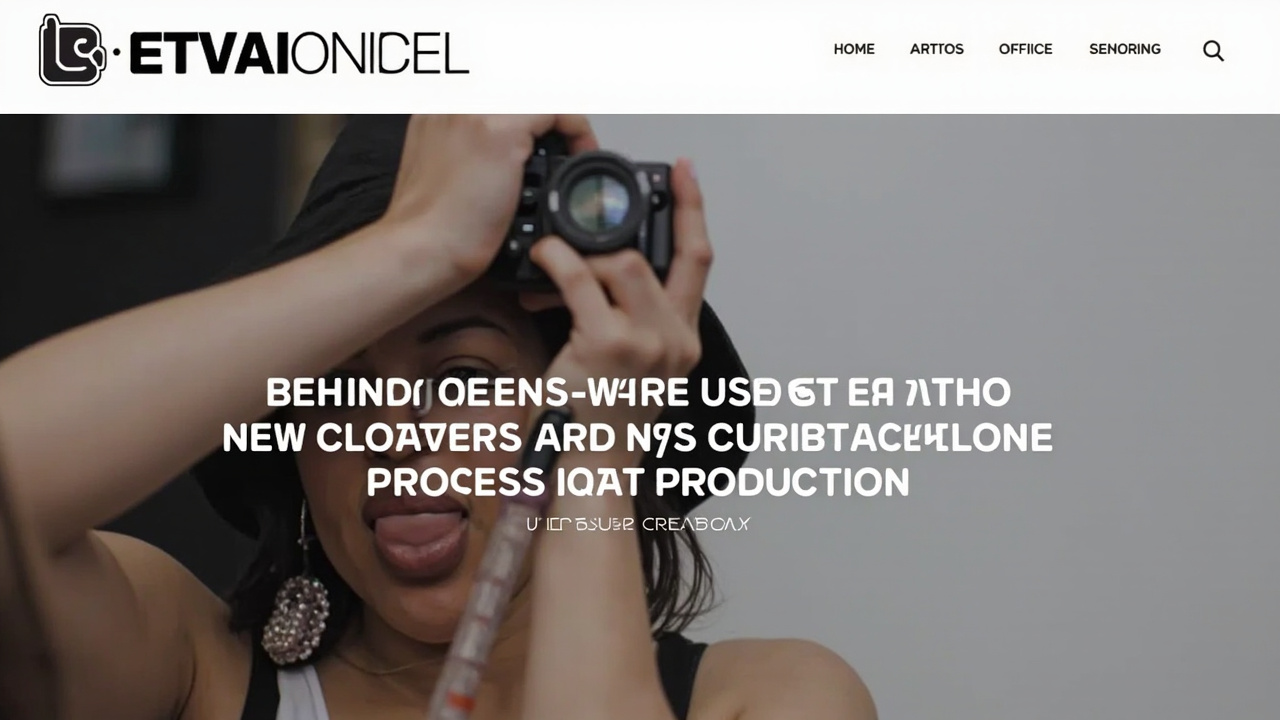
For decades, the visual production industry was structured around a small number of large clients: agencies, broadcasters, hospitality groups, and government bodies. Today, the client list has fractured and multiplied. A boutique production house might spend Monday on a multinational commercial, Tuesday on a real-estate showcase, and Wednesday filming a wedding for a couple who met on TikTok. Each of these jobs now arrives with a different vocabulary, a different aesthetic sensibility, and a different set of expectations about how the finished work will be sliced, captioned, and shared.
From Journal to Job Brief
The blog — in spirit, if not always in name — has become a kind of soft contract. Before a brand ever speaks to a producer, the user blogger has already sketched the visual grammar: the lighting they prefer, the music they license, the camera moves that feel "authentic" to their audience. A 2023 overview of user-generated content on Wikipedia notes that UGC platforms have reshaped how media is produced and consumed, but the same logic is now bleeding back into professional work. Producers are expected to mimic the spontaneity of a vlog while delivering the technical polish of a commercial. It is a strange middle ground, and not every team is comfortable in it.
Comfort, it turns out, is exactly what gets outsourced. The most successful projects we see now treat the user blogger not as a passive subject but as a creative collaborator with veto power. Sketches are sent for comment. Color grades are reviewed against reference shots pulled from the blogger's own archive. Music cues are swapped because a track "doesn't fit the vibe." None of this is unusual in agency work; what is new is that the same negotiation now happens at the level of an individual wedding or a single product drop.
Why Production Houses Are Listening
There is a financial reason, of course. The economics of independent content have matured. Sponsorships, affiliate revenue, and platform partnerships have turned committed user bloggers into small media businesses in their own right, and they spend accordingly on shoots, equipment rentals, and post-production. But there is also a craft reason. Many of these clients arrive with sharper instincts than their corporate counterparts. They have spent years studying their own analytics, their own comment sections, their own saves and shares. They know what works on their audience in a way that few marketing departments, buried in dashboards, ever do.
The best brief I received last year came from a bride with a Pinterest board, a Spotify playlist, and a list of shots she had saved from her favorite films. It was more useful than any creative deck I've seen in a decade.
That quote, from a working cinematographer in the Gulf, captures the shift succinctly. The user blogger has effectively become the art director, the location scout, and the brand strategist — sometimes in a single afternoon of DMs.
The Geography of a Shoot
No city has benefited from this trend quite like Dubai. Its skyline offers a useful shorthand for "aspirational," its permit process is unusually clear, and its hospitality sector is tuned to accommodate crews of any size. For a production house working across borders, the city is a logistical dream: a single base can serve weddings in the desert, commercials on the marina, and editorial shoots in the old quarter without anyone having to re-pack the truck. The permitting layer, often the part that sinks smaller projects, is handled with surprising fluency by teams that do it weekly.
This is one reason the user blogger's brief so often ends up routed to a Dubai desk. A team like Carving Dreams, which runs locations, talent, and permits under a single roof, becomes the obvious answer when a creator in Berlin or Mumbai wants a five-day shoot that includes a beach, a ballroom, and a vintage car — and wants it done without managing four different vendors. The model fits the new economy of attention almost too neatly: one point of contact, one invoice, one set of approvals, and an entire city as the backdrop.
What User Bloggers Actually Want From a Crew
- Speed of turnaround. Algorithms reward freshness, and creators often need a cut within days, not weeks.
- Vertical and horizontal deliverables in one shoot. A wedding film, nine Stories, and a hero still should not require three separate productions.
- A producer who speaks their language. The point of contact is now expected to understand both the client's emotional story and the technical spec sheet.
- Discretion. Many high-profile bloggers prefer crews who arrive quietly and leave no trace, especially in markets where privacy is part of the brand.
The Future of the Brief
It is tempting to frame this shift as the death of traditional production. It isn't. The big-budget work is still there, and the agencies that built the modern industry are still writing the largest cheques. But the ecosystem around them has changed. The user blogger is no longer waiting for permission to be a producer — they are simply hiring one. And the production houses that adapt, that learn to read a brief written in captions and saved folders, will find themselves booked solid by clients who used to be invisible.
If you are a creator thinking about your next shoot, the practical advice is the same as it has always been: pick a team that listens before it shoots. Bring your references, your playlists, your saved clips. And if your project needs a desert, a permit, and a producer who can also recommend a cake — there is now a single name for that.